
Galapagos Wildlife Photography Workshops
Available Dates:
January 31 – February 8, 2028: West Side, Yacht – Infinity (16 Spots / 1 – Male Spot Left )
February 11 – 19, 2028: East Side, Yacht – Horizon (12 Spots / 3 Spots Left)
Please note that 2027 dates are sold out.
The Ultimate Island Adventure!
We’re excited to announce our 2028 Galapagos Workshops! This once-in-a-lifetime trip will take place in the legendary Galapagos Islands – you know, the ones we’ve seen hundreds of times on TV! Now it’s your turn to live the adventure! The Galapagos has a well-deserved reputation for some of the most unique wildlife on the planet, and visiting is like venturing to another world.
Many participants say this is the best wildlife photography experience they’ve ever had. The combination of highly approachable wildlife, constant shooting opportunities, and a relaxed, fun atmosphere makes this trip something truly special.
As a full-time wildlife photographer, I’ve traveled to more amazing places than I can count – but there’s nothing like the experience of the Galápagos Islands. It’s a literal tropical paradise with wildlife so approachable you’ll think you’re in a dream. It’s one of the most unforgettable wildlife experiences you’ll ever have.
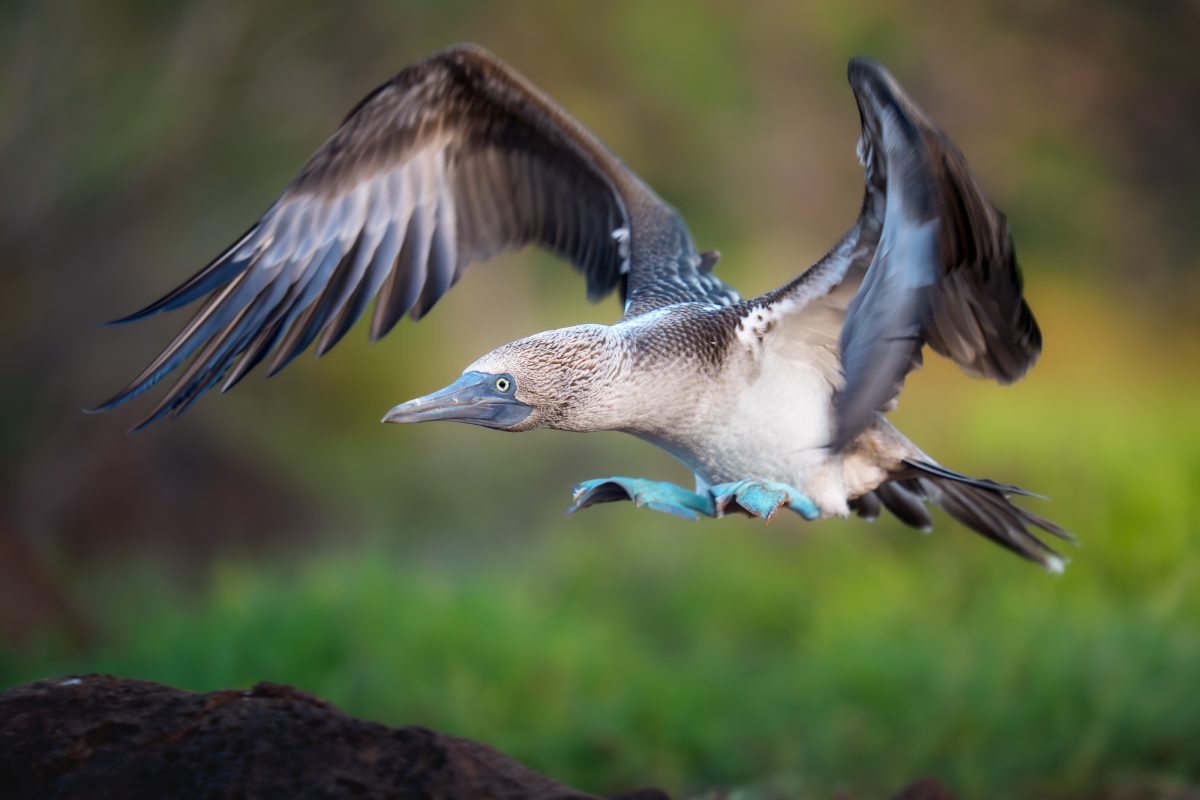
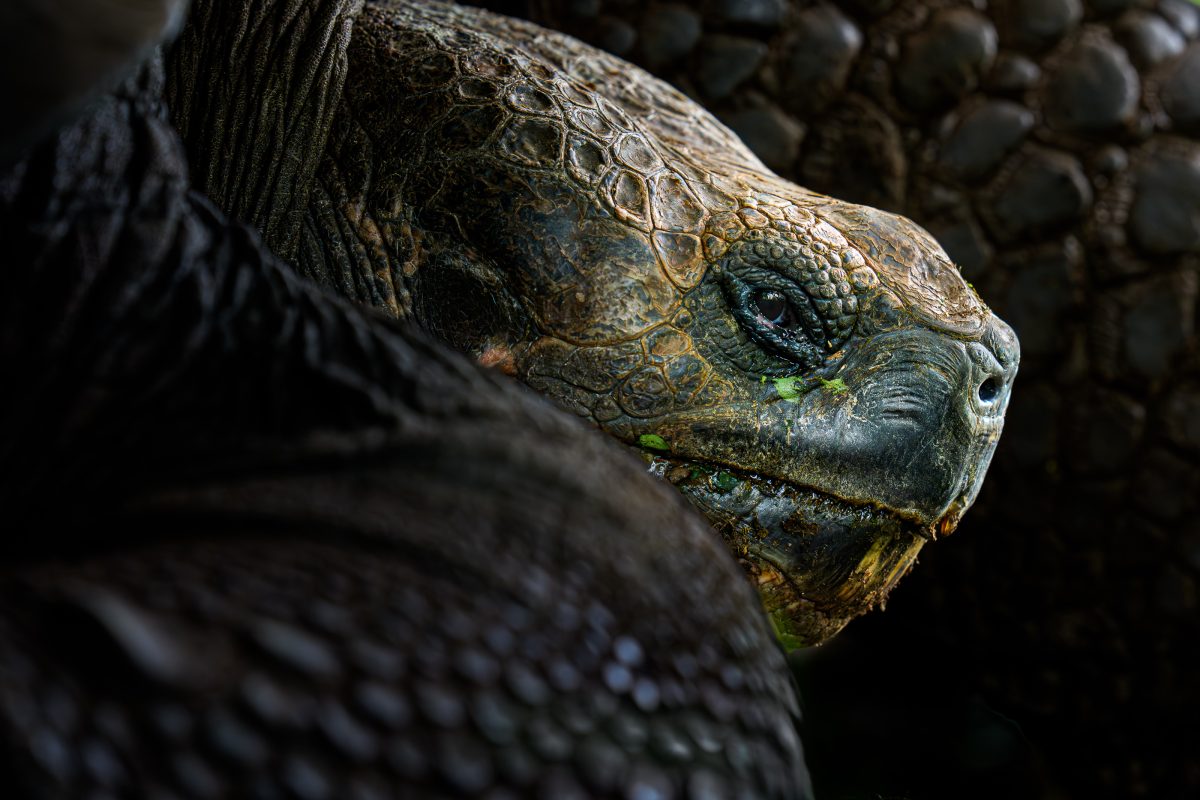
Our trip will take us from one island location to another aboard a private luxury yacht (yes, it’s air-conditioned). Each landing is unique and awe-inspiring. From volcanic shorelines lined with blue-footed boobies and marine iguanas to lush forests where giant tortoises roam, every landing is an adventure. Plus, because of the way the park itineraries work, it’s rare to have anything that remotely resembles a crowd. Heck, it’s not unusual to have a location entirely to ourselves.
What will you see? Of course, I can’t make promises when it comes to wildlife photography, but on of the biggest advantages of the Galapagos is how approachable the wildlife is. In most locations, animals have little fear of humans, allowing for incredible photographic opportunities that are difficult to replicate anywhere else in the world. Both the east and west sides are filled with unique, approachable wildlife. Here’s a list of likely suspects:
- Blue-footed Booby
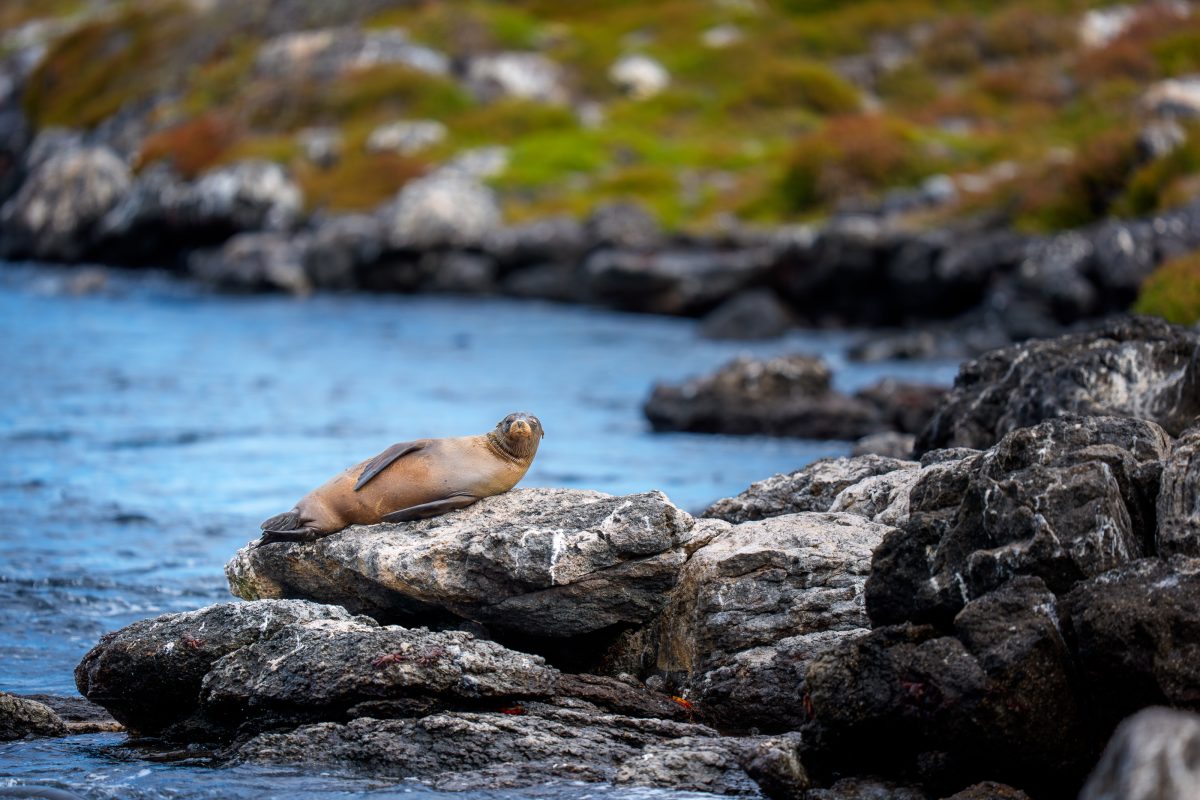
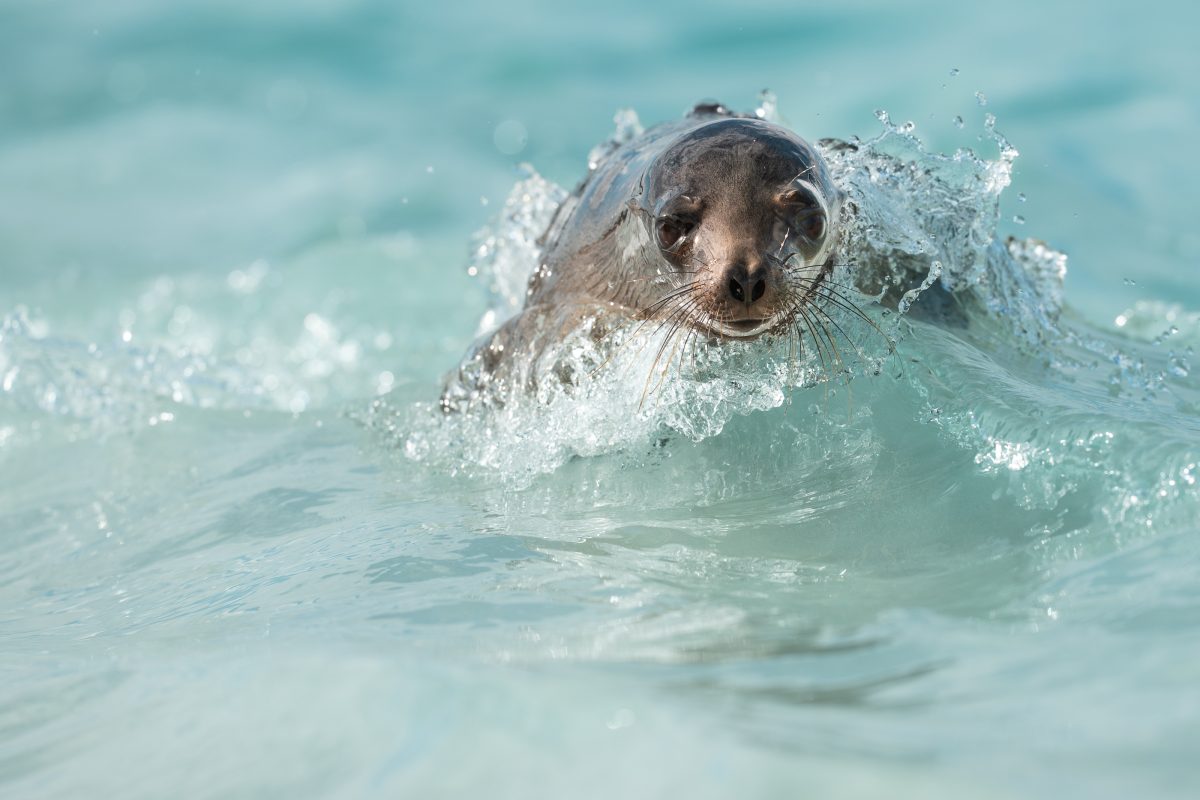
- Sea Lion
- Marine Iguana
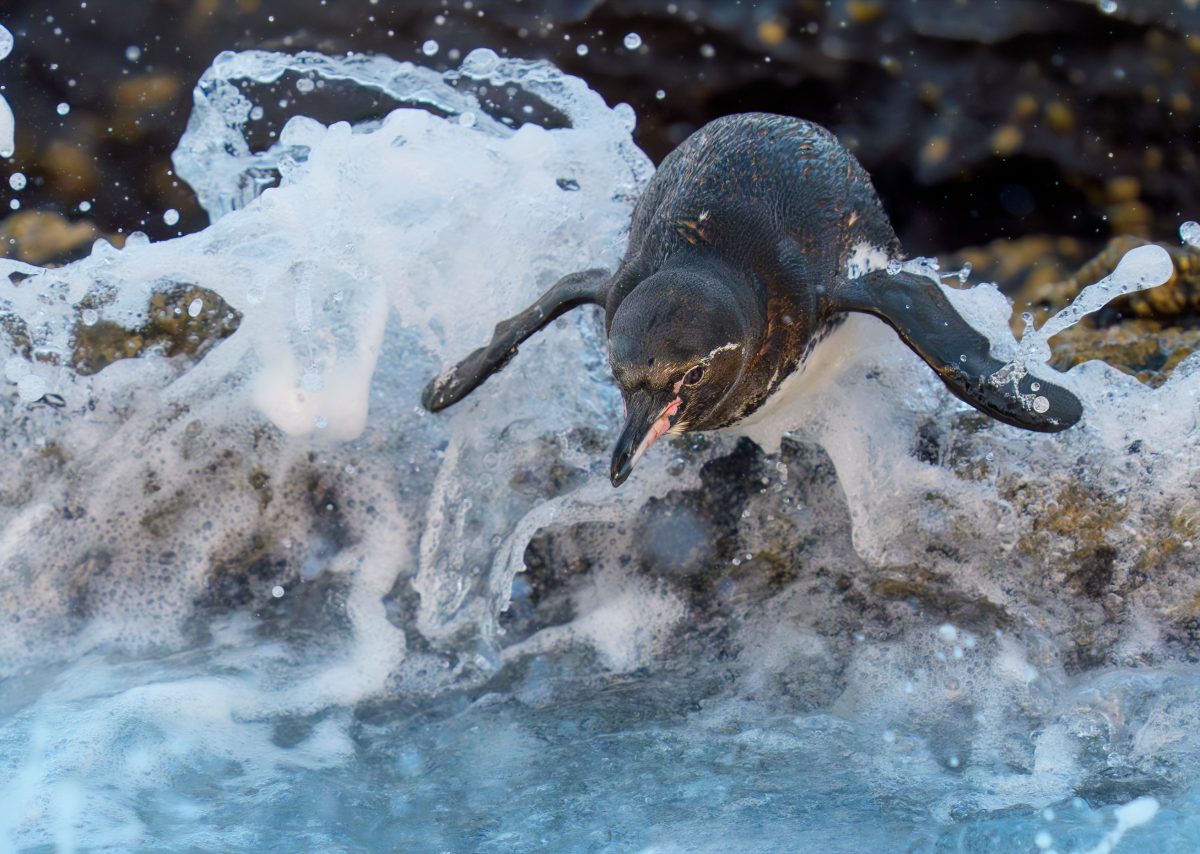
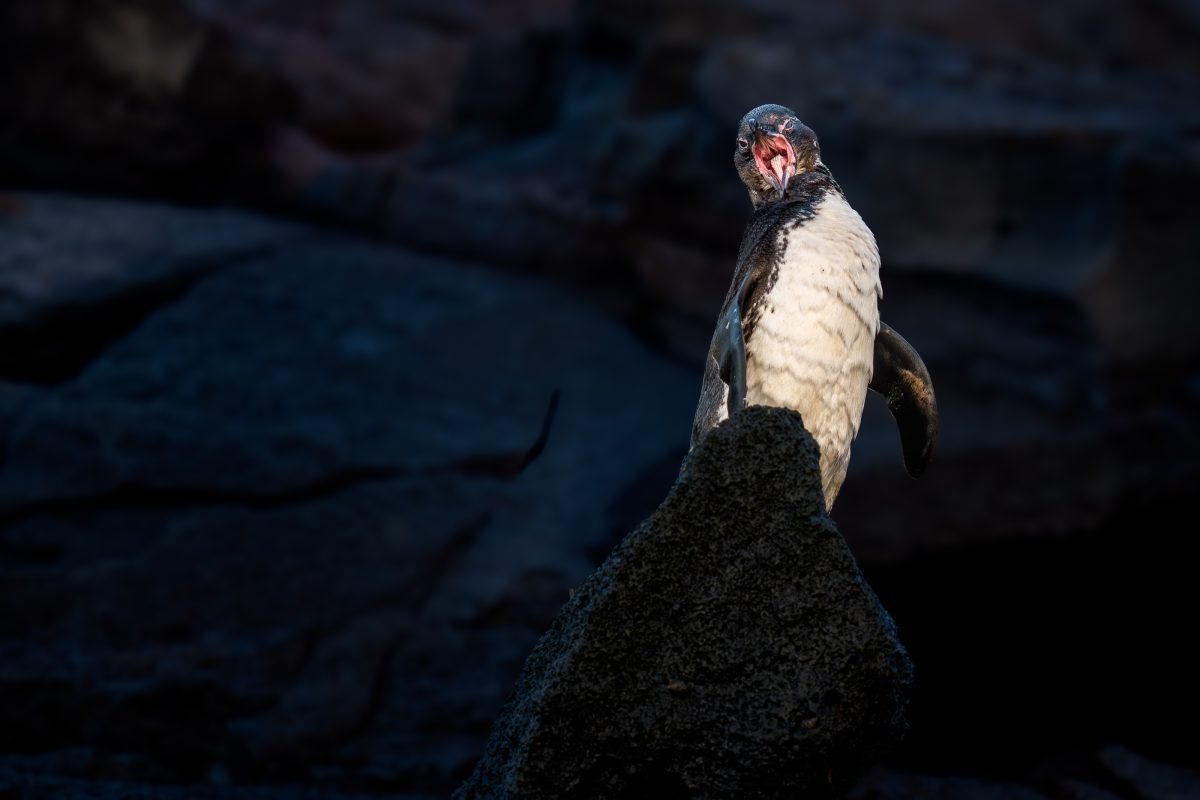
- Galapagos Penguin (mostly west side)
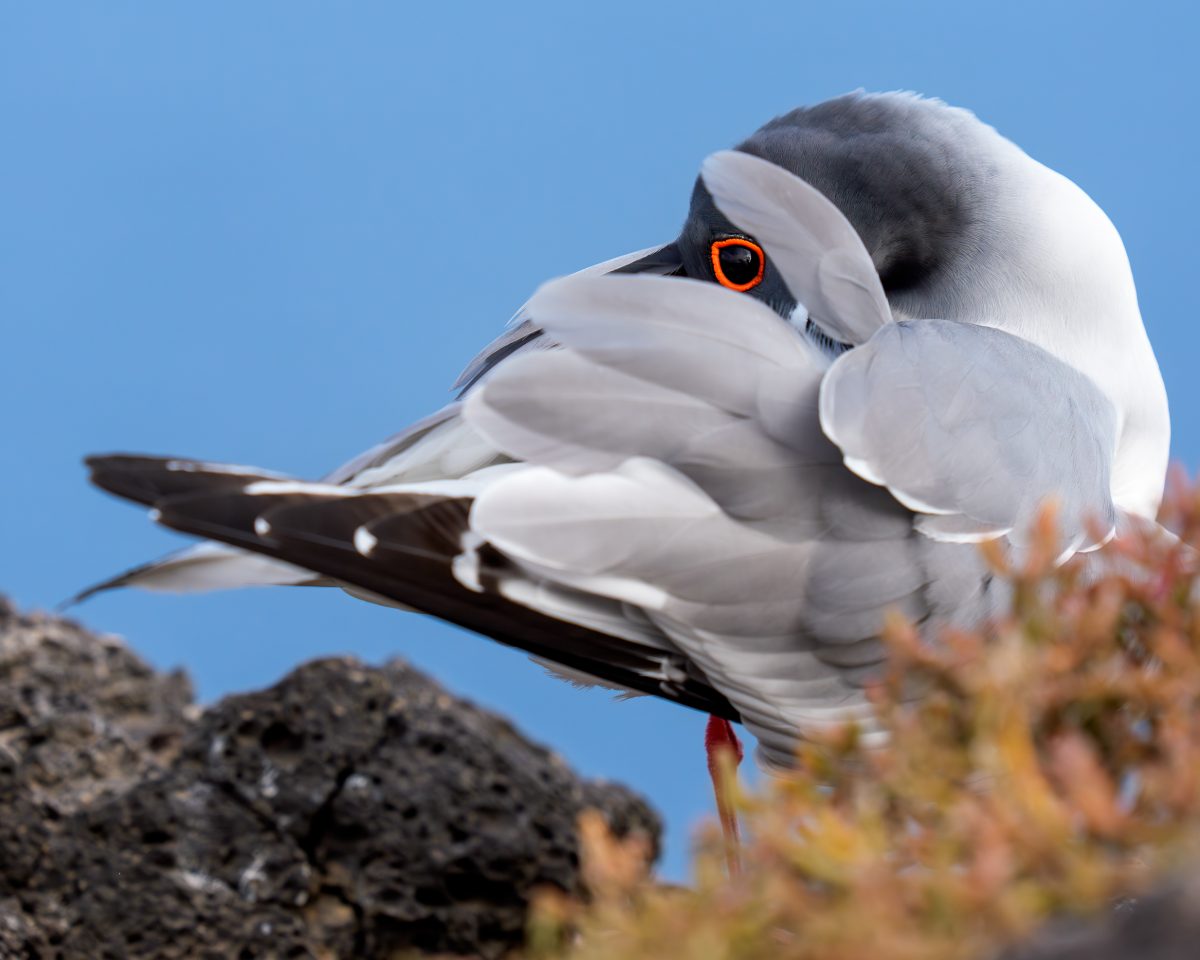
- Swallowtail Gull
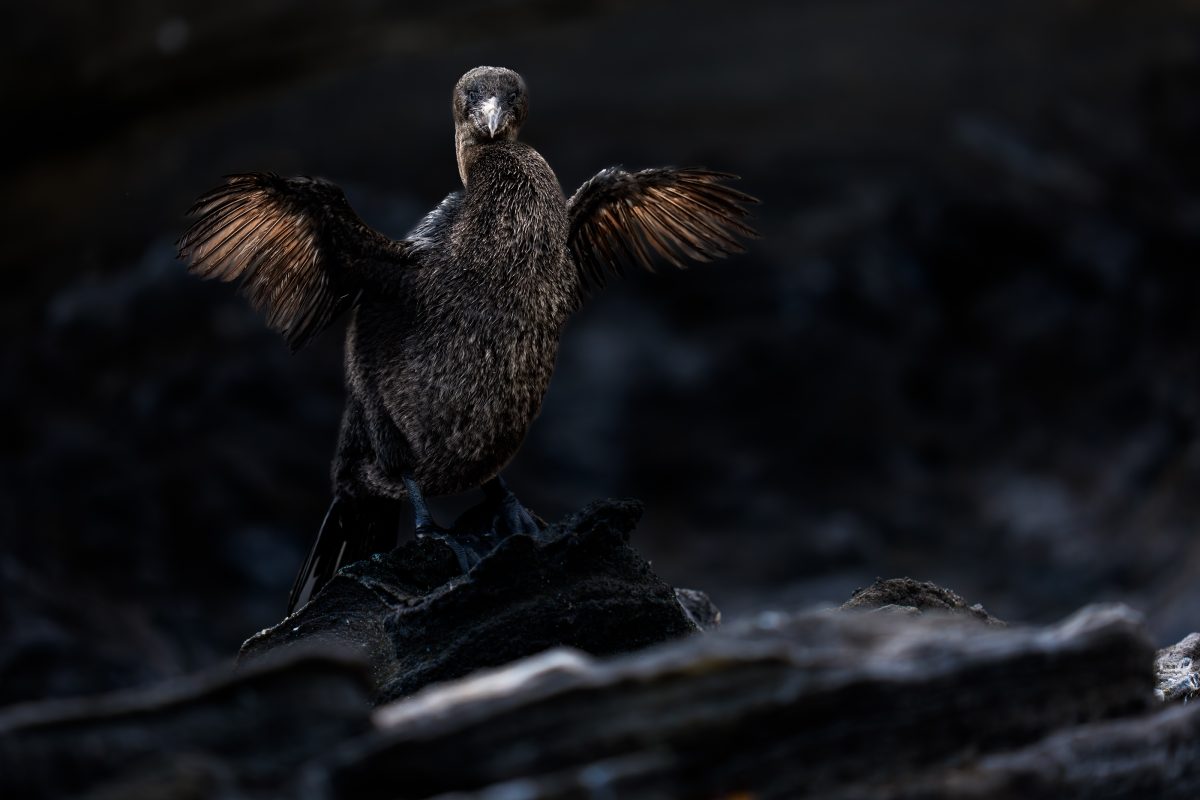
- Flightless Cormorant (west side)
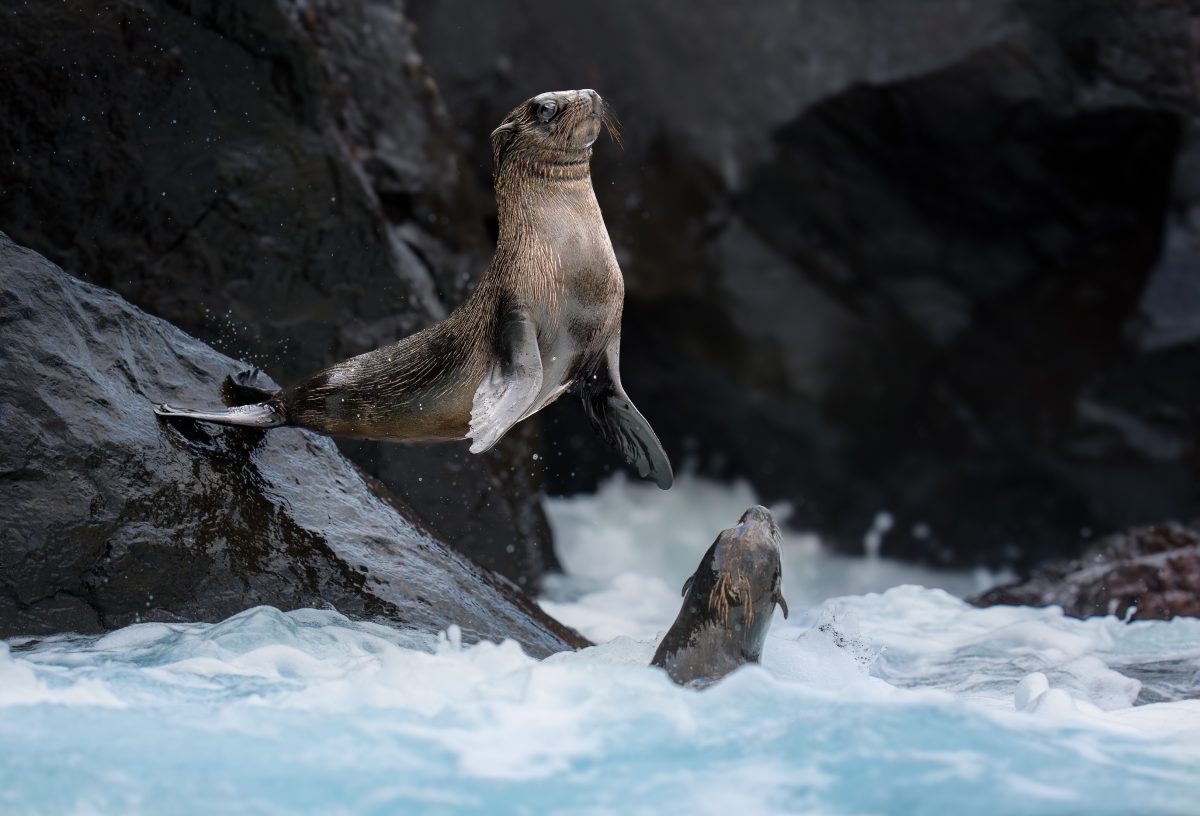
- Fur Seal (more on the west side)
- Galapagos Hawk
- Lava Heron
- Pelican
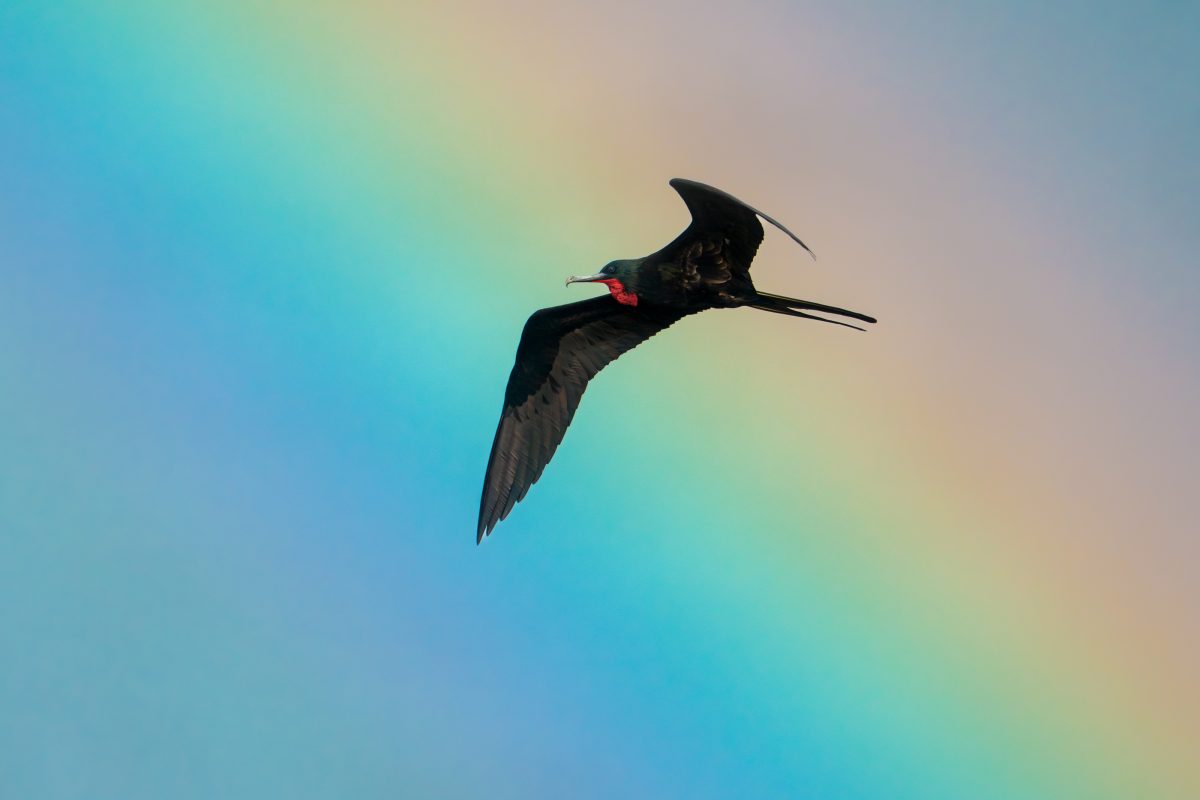
- Frigate Bird
- Galapagos Mocking Bird
- Finches of all kinds 🙂
- Red-footed Booby (east side)
- Nasca Booby (east side)
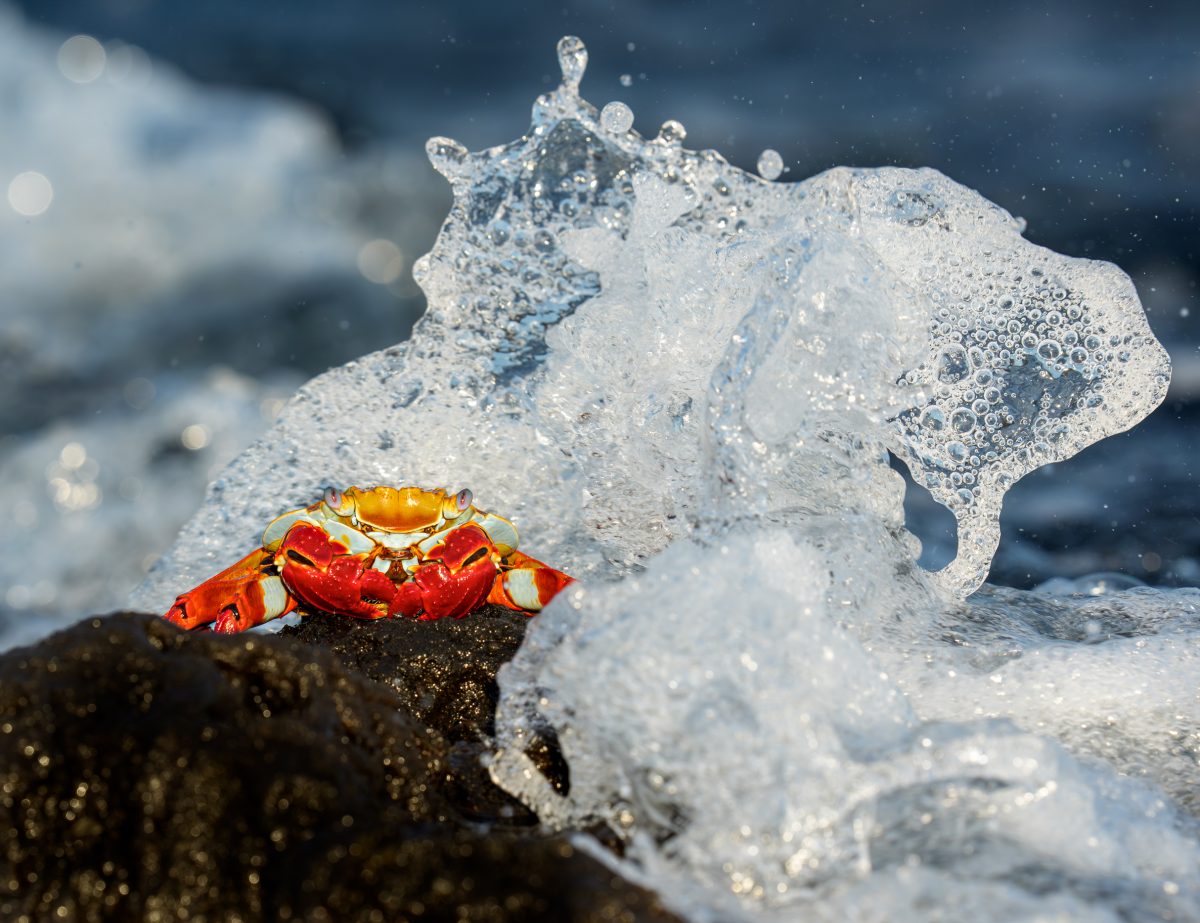
- Sally Lightfoot Crab
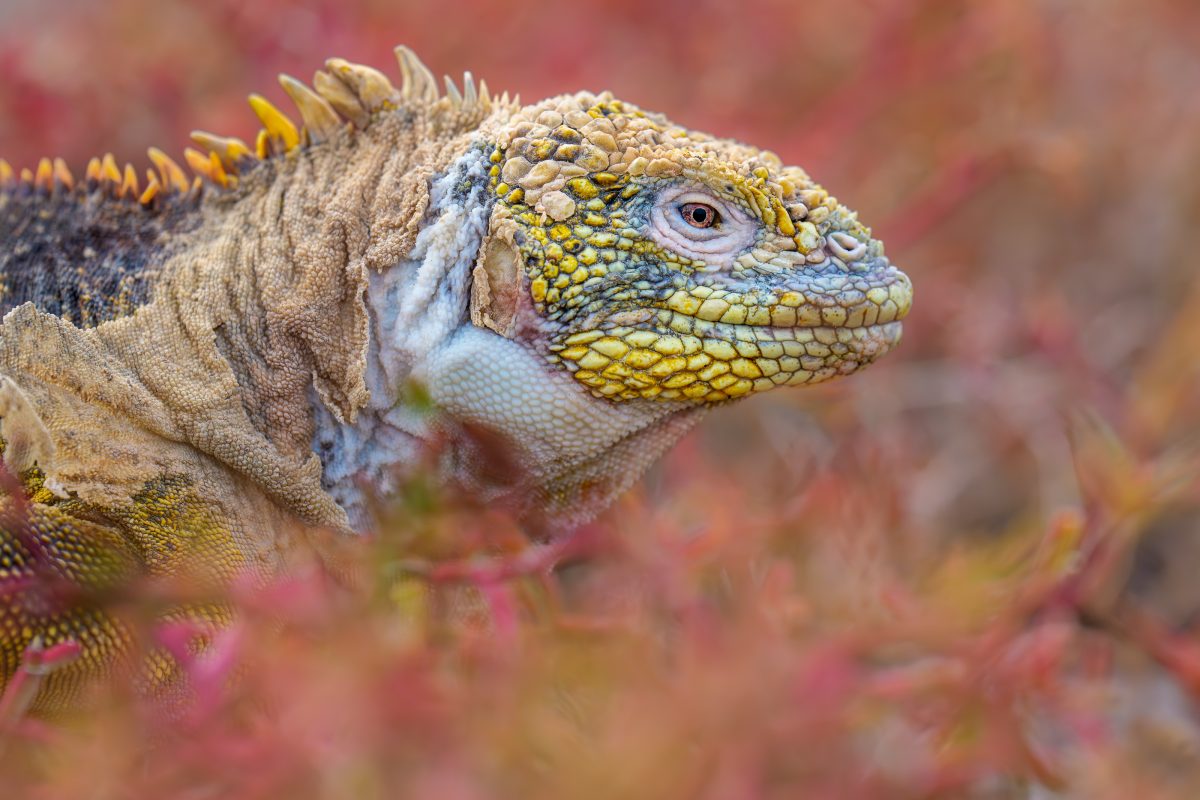
- Land Iguana (west side)
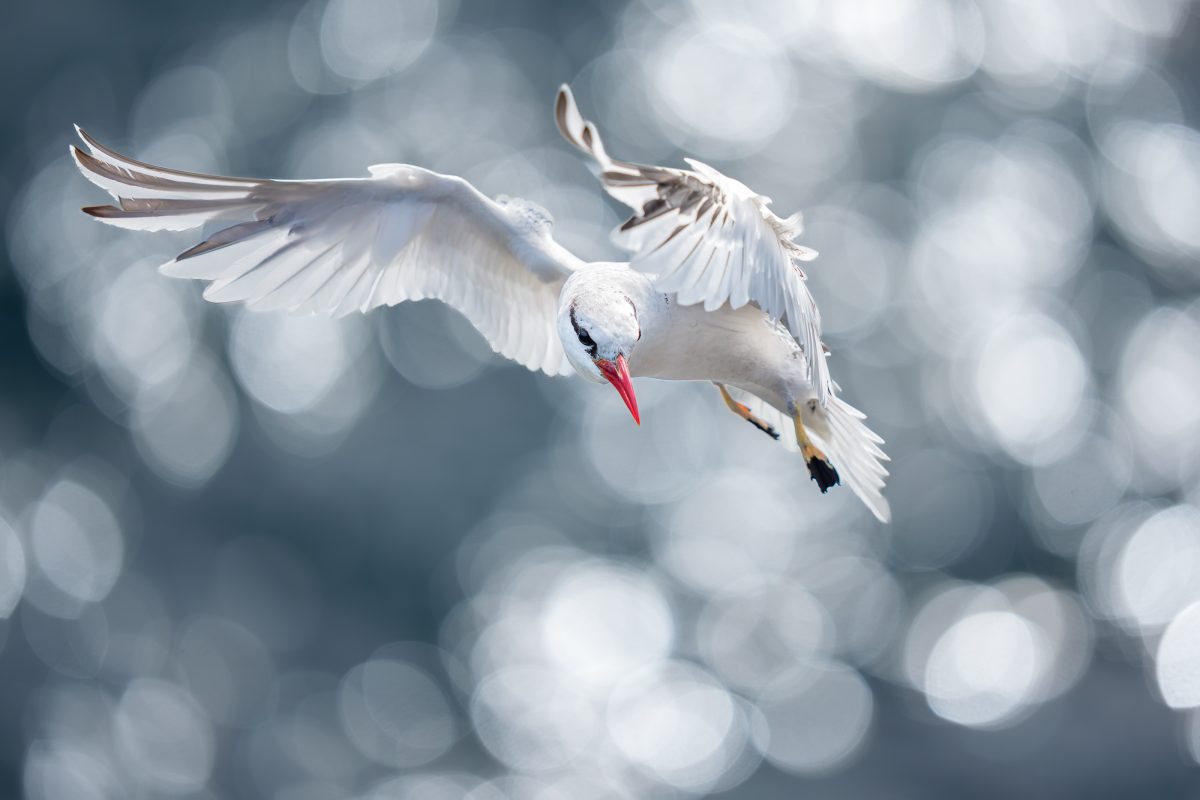
- Tropicbird
- Short Eared owl (east side)
And that’s only a list of the more popular animals. There’s always something new to see.
Oh, and don’t forget about snorkeling – we typically have an optional snorkeling session once a day. We’ve seen just about every kind of tropical fish the Galapagos has to offer, plus sea turtles, sea lions, dolphins, stingrays, spotted eagle rays, golden rays, Galapagos sharks, reef sharks, and more.
Snorkling Video:
As for the workshop itself, the goal is twofold. First, we want YOU to fill your memory cards with as many incredible shots as possible in the time you have and our guides will do everything in their power to make that happen. Second, we’ll will teach you as much as he can about wildlife photography in the Galapagos.
About The Workshop
As for the workshop itself, the goal is twofold. First, we want YOU to fill your memory cards with as many incredible shots as possible, and our guides will do everything in their power to make that happen. Second, we’ll teach you as much as we can about wildlife photography in the Galapagos.
As wildlife photographers, more than 90% of the images Dennis, Rose, and Steve capture each year are of wildlife. When it comes to getting critters on your memory cards, they have a wealth of tips and tricks up their sleeves that will help you accomplish that goal.
In this workshop, we’ll not only help you get the shot, but we’ll also share techniques you can use to capture the special moments of any wildlife encounter. You’ll learn everything from camera settings to creative techniques – it’s the whole package.
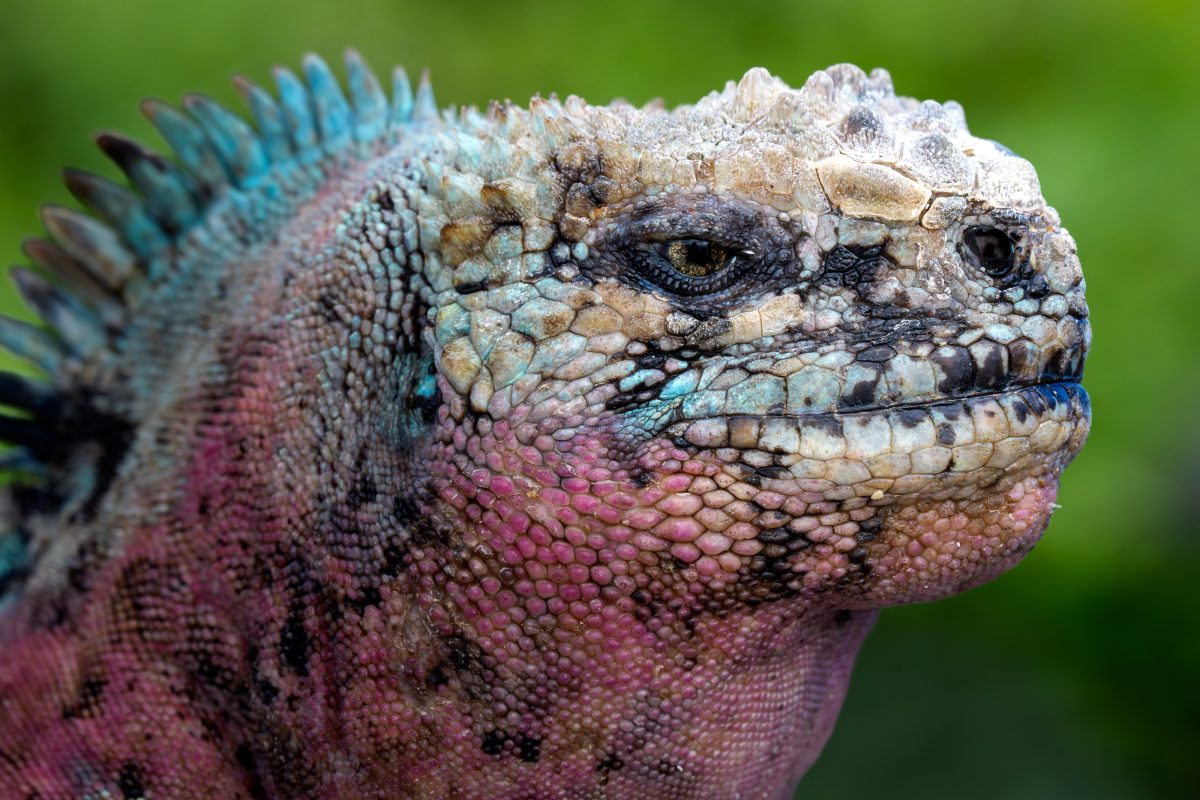
At each wildlife encounter, we’re there to guide you and assist in capturing those wall-hangers! Also, while the guides may take a shot here and there, during the workshop we’re NOT there for our own photos, but for YOUR photos. We’ve heard of nightmare workshops where the instructor was more interested in his or her own photos than those of the participants – that is NOT the case here. YOUR images are the priority for everyone involved.
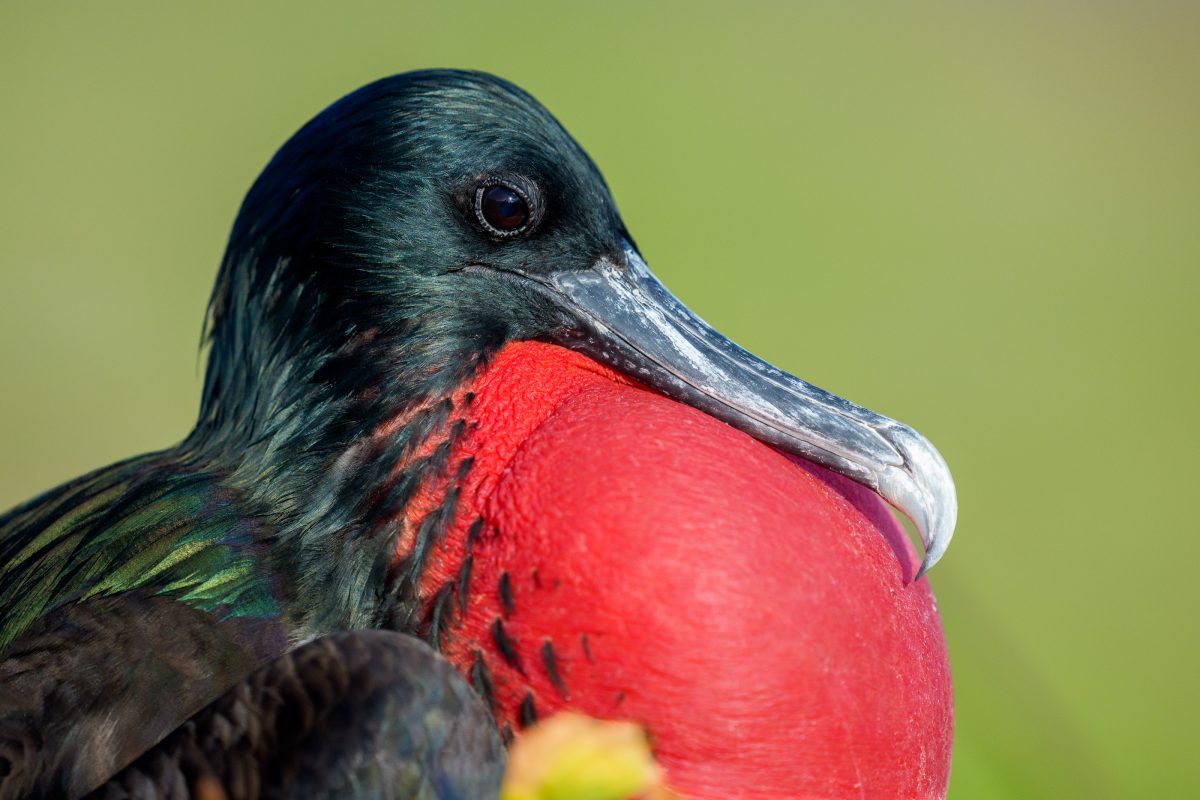
We’ll also have professional naturalist guides along to help locate wildlife – and let me tell you, their ability to find wildlife borders on the supernatural (you’ll see for yourself that this isn’t just marketing hype). They know the area inside and out and can consistently locate wildlife of all kinds. Plus, they’re great to spend time with – you’re going to love them.
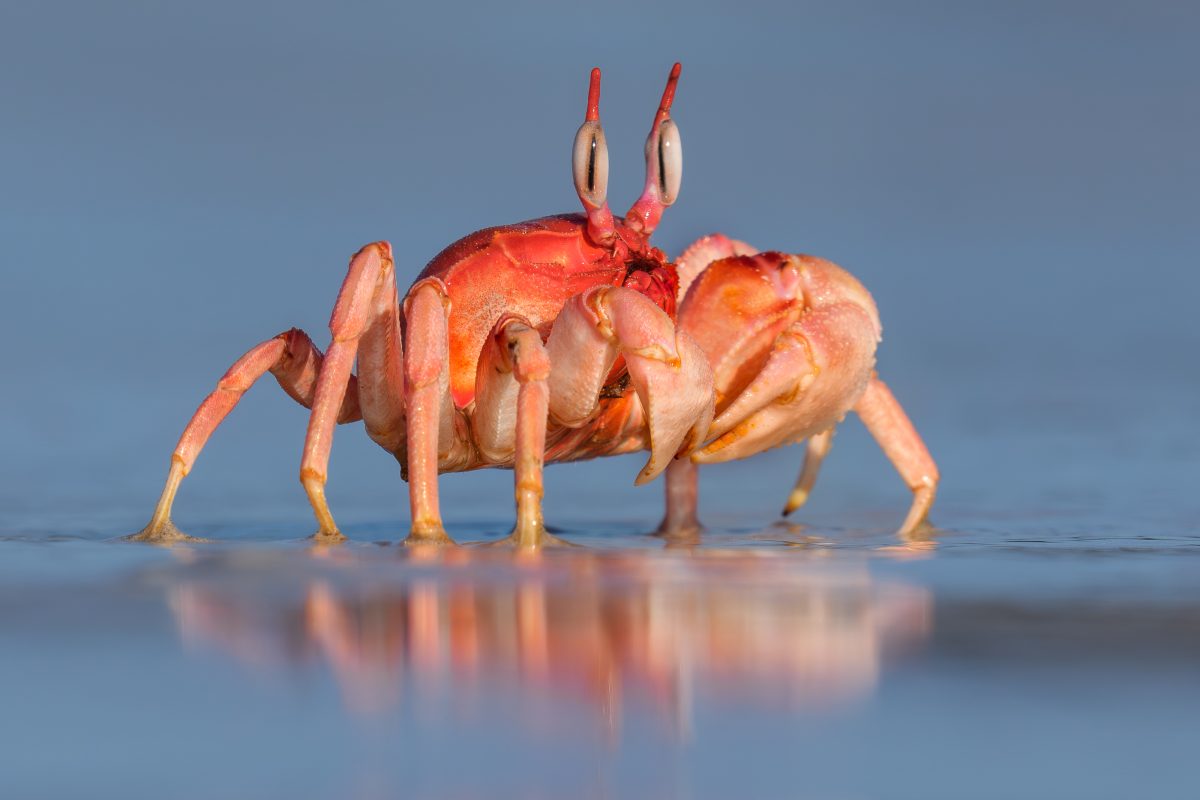
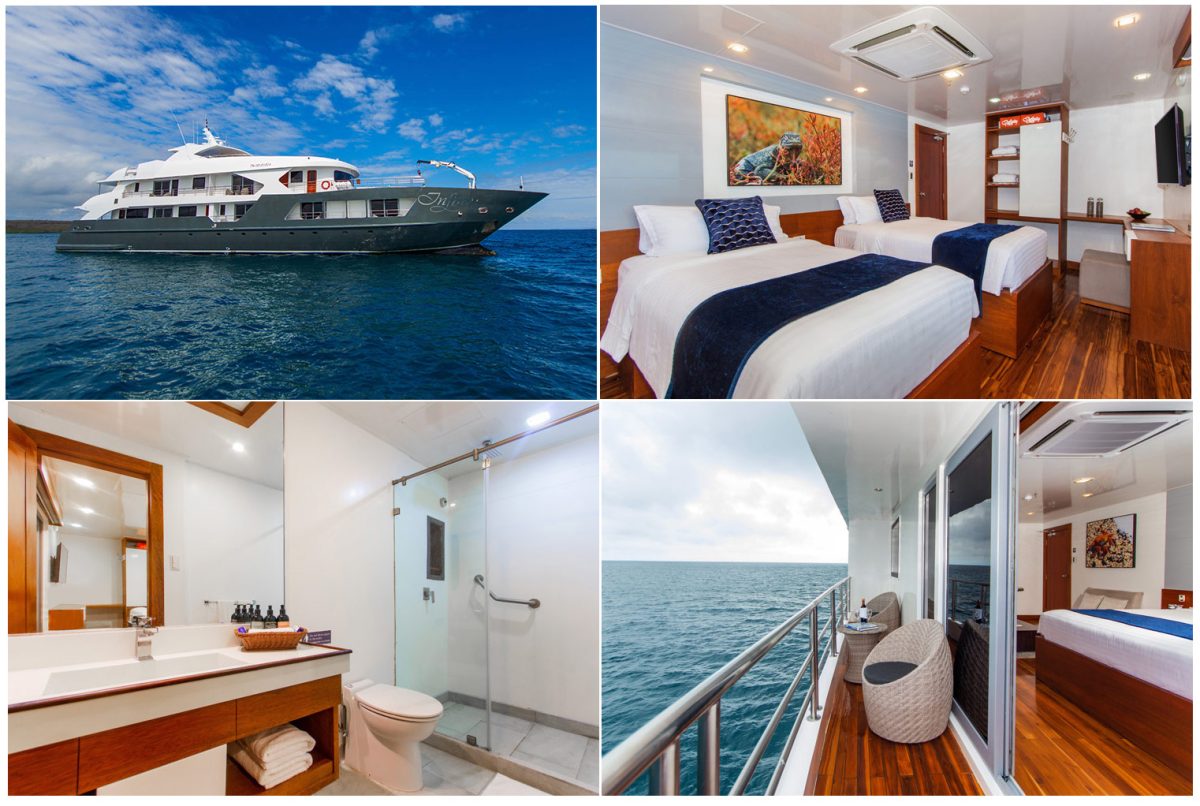
Home base for this trip is a luxury yacht (different yachts for the east and west itineraries). The yachts are extremely well-equipped and comfortable. Each cabin has air conditioning as well as a private bathroom and shower. The yachts are cozy and well-appointed, making it easy to relax between excursions.
It’s easier to show you than tell you, so here are some photos from the boats we’re going to be using:
Infinity (West side)
West Side Route (subject to adjustment)
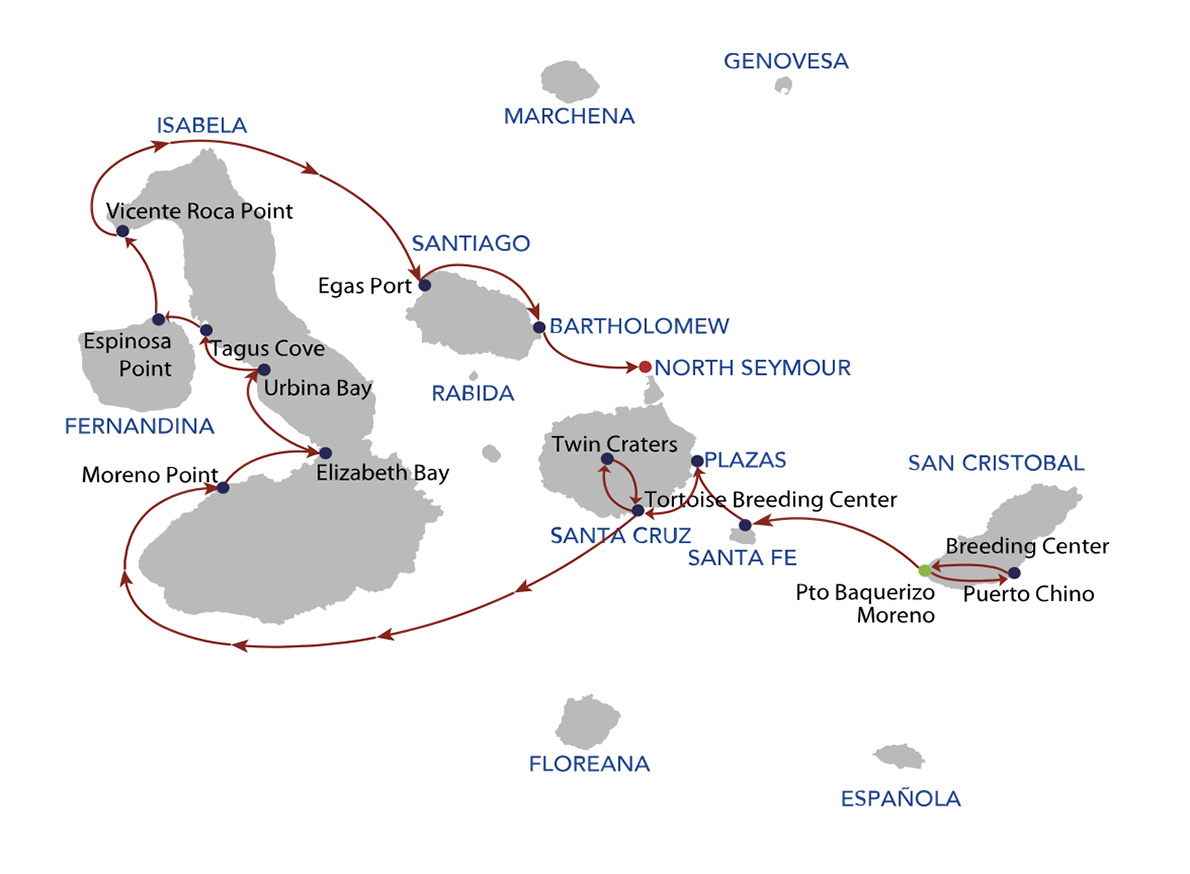
Horizon (East Side)
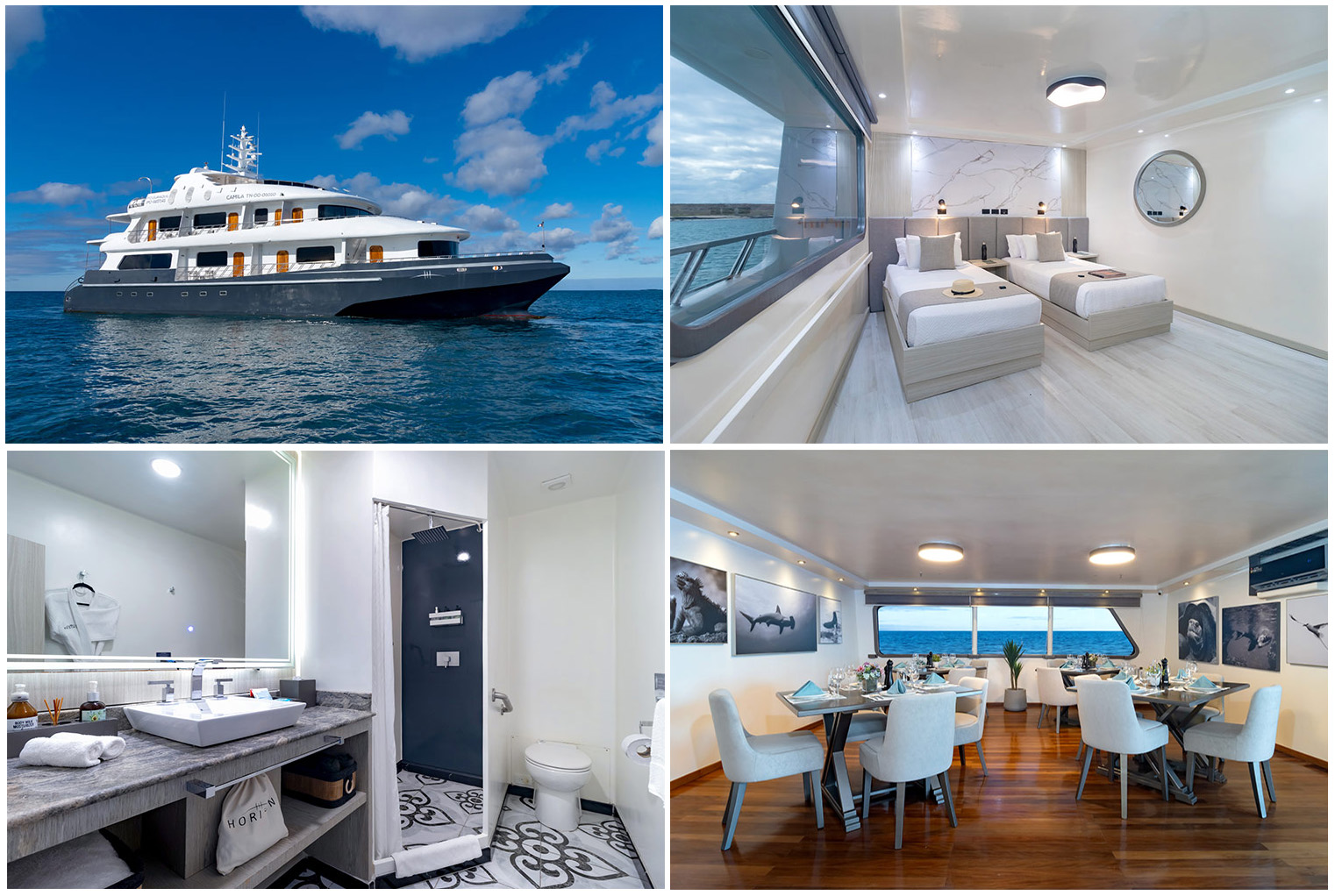
East Side Route (subject to adjustment)
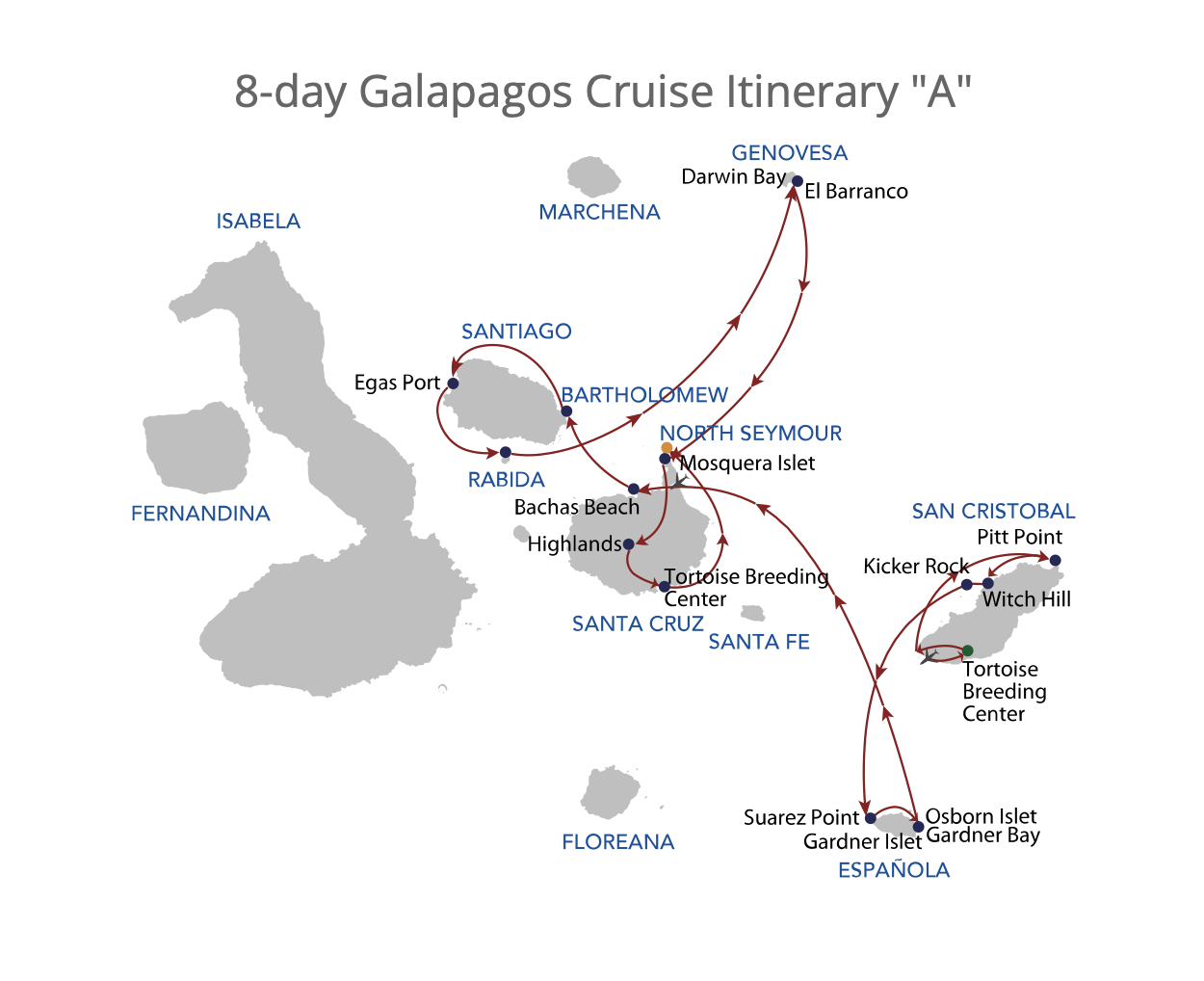
West Side Or East Side?
Both trips are the same length and both offer exceptional wildlife photography opportunities. Honestly, I can’t pick a favorite.
When it comes to wildlife, there’s quite a bit of overlap between the two. In general, the east side tends to be better for the various species of boobies, and you have a better chance of seeing flamingos. The west side, on the other hand, is stronger for Galapagos penguins, land iguanas, and flightless cormorants. The list of potential subjects earlier on this page made note of which side is better if there’s a difference (for many species, it’s the same numbers either way).
That said, there’s plenty of crossover. For instance, we regularly see blue-footed boobies on the west side, and penguins do occasionally show up on the east.
The west side also has a slightly more “wild” feel to it, and you’re more likely to snorkel with marine iguanas there. Sea turtles can be found on both sides, but we tend to see more of them in the west.
In short, both itineraries offer incredible opportunities with approachable wildlife. No matter which one you choose, you’re going to come home with full memory cards and a ton of images you’re proud of.
There’s no wrong choice here. The only real mistake is not going 🙂
Skill Level
Photography Requirements:
This trip is best suited for photographers who have at least some experience with their cameras and have done at least a little wildlife photography. You should be comfortable operating your camera and familiar with changing the following settings:
Exposure Modes
Exposure Compensation
AF Modes / Areas
Metering Modes
Drive Modes
You should also understand what shutter speed, aperture, and ISO do.
In short, the goal of this trip is to teach wildlife photography, not the basics of photography.
If you’re unsure if you have the proper skill set, contact us.
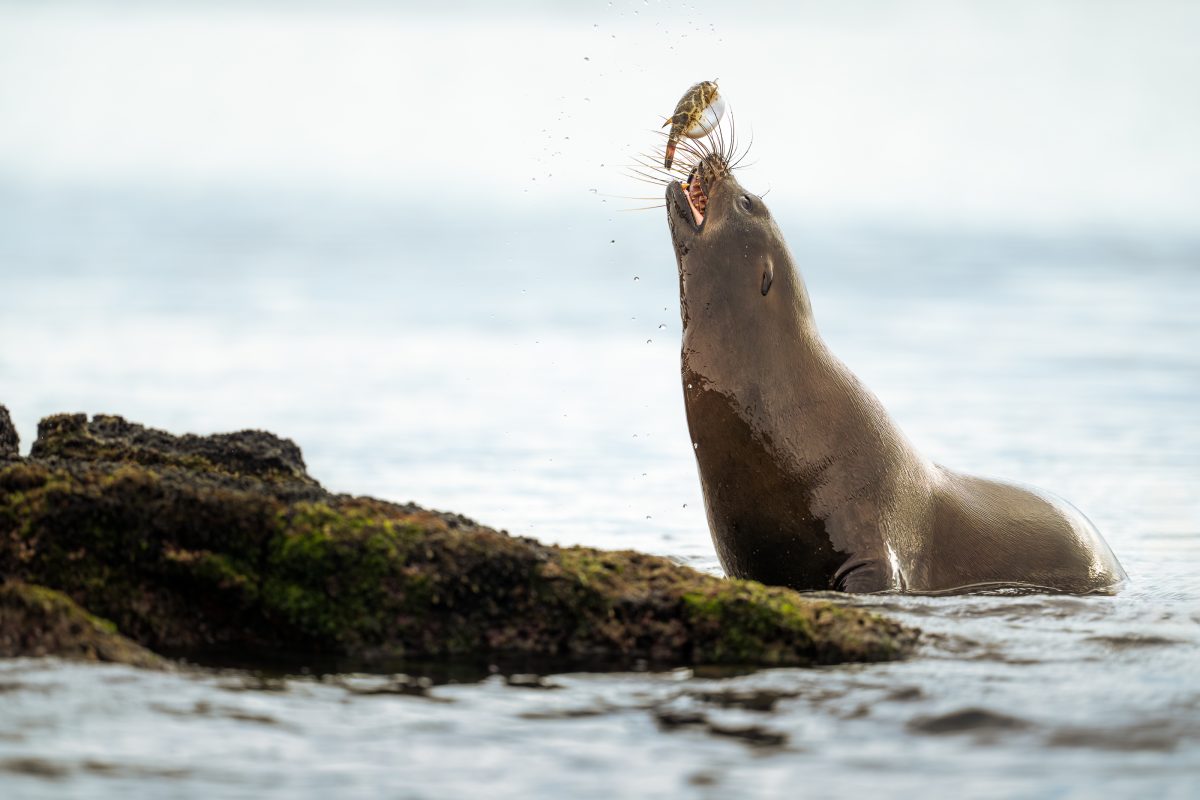
Photo Gear Requirements:
The Galapagos is relatively easy for gear. You can get by with something like a 100-400mm lens, although I prefer covering the 300mm to 600mm range (for example, a Nikon 180-600, Sony 200-600, or Canon 100-500 works really well).
I also recommend bringing something on the shorter end (like a 24-105) and ideally two camera bodies.
I’ve personally used lenses like a 300mm f/2.8 with teleconverters and a 400mm f/2.8 with teleconverters, although exotic lenses certainly aren’t required.
Although I wouldn’t recommend a tripod, a monopod can be useful at times.
Physical Requirements
Although this trip isn’t terribly demanding, there are some physical requirements to consider. You’ll need to be able to get in and out of a beached zodiac (wet landings), hike 1–2 miles in hot, humid weather, and navigate a few trails with hilly or rocky terrain.
Most people in reasonable health can handle it, and you can skip any session you feel might be too strenuous. Most of the time, the physical demands are fairly light, with relatively easy landings and short, flat hikes.
Also remember that this is a photography trip, so we move slowly and stop frequently to take photos.
What’s included?
- All meals / food provided starting with the meal on the first evening (meet and greet).
- Hotel stay the night before the cruise
- All transfers in the islands
- All park fees
- All excursions
- Use of expedition gear (wetsuits, fins, etc.)
- Non-alcoholic drinks, regular soda
- Lodging throughout the workshop as outlined above.
- Ground transportation
- Flights from Quito, Ecuador to the Galapagos and back to Quito.
What’s not included?
- Your flights from home to Quito, Ecuador and from Quito back home.
- Diet soda
- Alcoholic beverages
- Excessive baggage fees
- Gratuities / tips
- Airline fees / insurance / passports / personal expenses
- Any additional tours, activities etc. not expressly mentioned in the workshop
- Any additional nights accommodations that take place beyond the time frame of the workshop dates (but it is cool to stay an extra day or two)
- Any emergency services, if necessary. (Travel insurance is required)
- Any meals you decide to have outside of the workshop
- Any other expenses not explicitly covered in the “What’s Included” section above
Photo Guides
Steve Perry (Tour Leader)
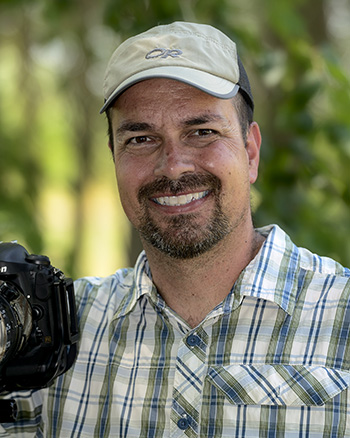
Steve will lead this tour and use his extensive experience photographing wildlife around the world to help you create the best possible images in any situation. He will help you with both the technical and creative aspects of wildlife photography in the Galapagos.
Steve’s field techniques are used worldwide by amateurs and professionals alike, and he looks forward to helping you apply them in the field.
Rose Perry
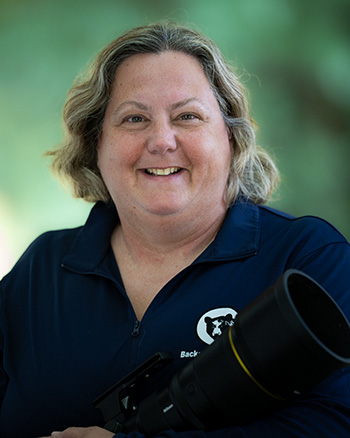
Rose is an assistant tour leader who helps participants get the most from the experience. As Steve’s wife, she has extensive field experience and a strong eye for creative moments. Rose also shoots video and is happy to help participants interested in wildlife videography.
Dennis Valverde
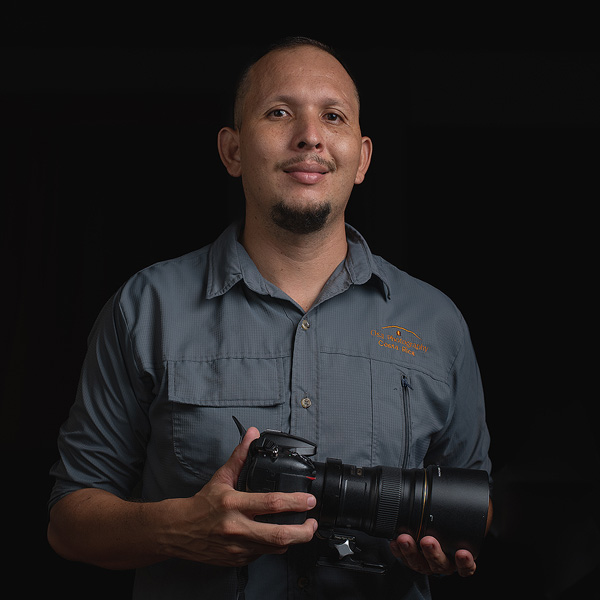
We’ve partnered with pro wildlife photographer and naturalist Dennis Valverde. Dennis has worked side by side with Steve on dozens of workshops and knows exactly what it takes to capture strong wildlife images.
He shoots, thinks, and teaches in a very similar way, so much so that you could ask Steve or Dennis the same question and likely receive very similar answers.
What should I wear?
The Galapagos is hot and humid. Very hot and humid. Think Florida in July, only hotter and more humid. Rain showers are also possible.
Avoid cotton whenever possible since it dries slowly and can feel uncomfortable in humid conditions.
I recommend lightweight synthetic or dry-fit style clothing (Eddie Bauer, Nike, Columbia Silver Ridge, etc.).
Typical packing list:
Shorts (some participants prefer lightweight long pants for sun protection)
Short-sleeve dry-fit shirts
Long-sleeve dry-fit shirts (SPF-rated recommended)
Non-cotton undergarments
Lightweight full-brim hat
Lightweight hiking shoes (preferably water resistant)
Sandals such as Tevas or Keens
Lightweight rain jacket
Kneepads (useful when kneeling on rocks or in zodiacs)
We’ll provide a more detailed packing list as the trip approaches.
FAQ
Do I need to speak Spanish?
Not at all. Everyone you’ll interact with speaks English.
Is it safe?
Yes. The Galapagos is considered very safe, and we’ve never felt uncomfortable in any way.
Is there a lot of hiking?
There are some hikes, usually 1–2 miles in length, typically over flat but sometimes rocky terrain.
Is it crowded?
Visitor numbers are carefully controlled, and we’re often out early when fewer people are present. It’s common to have locations largely to ourselves.
Are there opportunities beyond wildlife?
This is primarily a wildlife photography workshop, and that’s where our priorities lie. However, there will be opportunities for landscapes as time permits.
What’s the weather like?
Expect hot and humid conditions with occasional rain showers. Overcast conditions are common and often allow for excellent shooting light throughout the day.
Is the schedule subject to change?
Yes. We may adjust the schedule based on weather, wildlife opportunities, or other factors to maximize photographic opportunities.
Price
$12,996 per person (double occupancy)
$5000.00 per person deposit due at booking. Bookings within 120 days of departure require full payment.
What if I have questions?
Send ’em to us via our contact form and we’ll get back to you as soon as you can. Note that this is only for questions – to sign up, use the form below.
How do I sign up?
Fill out the form below to start the signup process if you’re ready to book / put down your deposit. Thanks!